Flipping the Script: How Bedroom Remixers Are Quietly Outstreaming the Artists They Sample
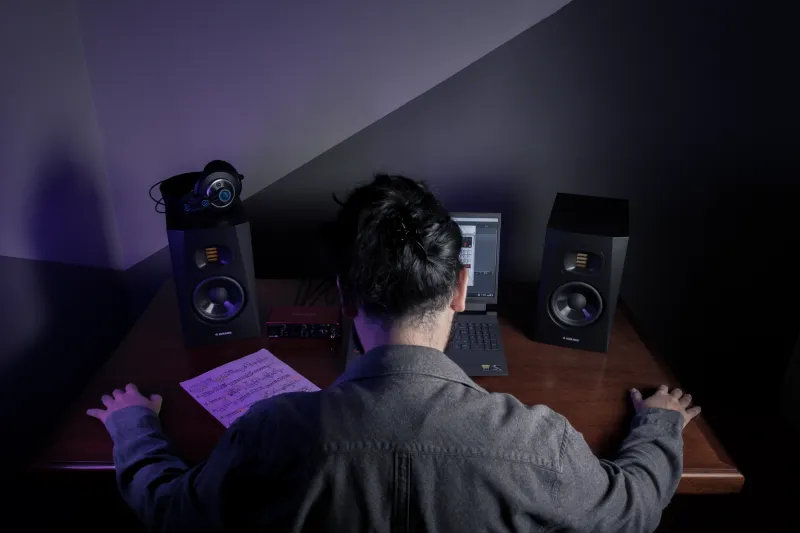
Somewhere in a rented apartment in Atlanta, a producer who goes by the name Solvex is watching his remix of a mid-tier indie pop song rack up more monthly listeners than the original track ever managed. He didn't get a label deal. He didn't land a sync placement. He just flipped a song he loved, uploaded it, and let the algorithm do the rest. That's the remix renaissance in a nutshell — and it's rewriting the economics of music discovery in ways most people haven't caught up to yet.
The Numbers Don't Lie
Streaming data has quietly told a wild story over the past few years. Remixes — particularly those produced by independent, unsigned creators — are routinely outperforming their source material on platforms like Spotify, Apple Music, and SoundCloud. In some cases, we're talking double or triple the stream counts. A track that peaked at 200,000 plays gets reimagined by an unknown producer in Ohio, and suddenly that reimagined version is sitting at 1.8 million.
This isn't a fluke. It's a pattern. And the reasons behind it are actually pretty logical once you dig in.
Original songs often get released into a vacuum. The artist has a small following, limited promotional budget, and no algorithmic momentum. A remix, on the other hand, benefits from two audiences — the original fanbase and the remixer's own community. Throw in playlist curators who specifically hunt for fresh takes on familiar tracks, and you've got a recipe for organic growth that most original releases can only dream about.
Why Remixing Became a Real Career Path
For a long time, remixing lived in a legal and cultural gray zone. Producers would flip songs they loved, post them to SoundCloud with a "free download" tag, and hope nobody sent a takedown notice. It was a hobby, a flex, a way to build credibility in underground circles. The idea that you could actually make money doing it felt laughable.
That's changed significantly. Platforms have matured. Licensing frameworks have evolved. Services like DistroKid and TuneCore now offer pathways to distribute remixes legally through revenue-share agreements with rights holders. Splice and similar sample marketplaces have normalized the idea of building music from pre-existing parts. And YouTube's Content ID system, while frustrating for some, has actually created a monetization pipeline for remixers whose work gets claimed — meaning the original rights holder and the remixer can both earn from the same upload.
The result is a generation of producers who never set out to be "remix artists" but stumbled into a sustainable income model almost by accident. They started flipping tracks because they loved music. They kept going because the money started making sense.
The Creative Strategy Behind the Hits
The best remix producers aren't just slapping a new beat under someone else's vocals. They're making genuine creative decisions — tempo shifts, genre pivots, emotional recontextualization. A melancholy indie folk track gets turned into a euphoric house anthem. A hard-edged rap verse gets laid over a lo-fi beat that makes it feel introspective and vulnerable. These transformations aren't lazy. They require real musical intelligence.
What's interesting is that many of these producers are deliberately targeting songs that have a strong emotional core but underperformed commercially. There's a whole community of remix hunters who scour Spotify's mid-tier charts and Bandcamp's new releases looking for tracks with unrealized potential. Think of it like house-flipping, but for audio. You find something undervalued, you renovate it, and you put it back on the market.
Some producers have even turned this into a systematic process. They analyze what genres are trending, identify original tracks that share DNA with those trends but haven't broken through, and then build remixes engineered to slot into specific playlists. It's part artistry, part data science, and it's working.
Platform Dynamics Nobody Talks About
Spotify's algorithm has a well-documented appetite for music that listeners engage with actively — saves, playlist adds, repeat listens. Remixes, particularly in genres like electronic, lo-fi, and pop, tend to generate exactly that kind of engagement. Listeners who discover a remix often add it to personal playlists in ways they wouldn't with a passive listening experience.
SoundCloud remains the proving ground. It's where remix culture lives and breathes, where a track can go from zero to 100,000 plays on word-of-mouth alone before ever touching a major platform. Producers who build credibility there often use that momentum to justify a wider release, sometimes negotiating official remix licenses after the fact because the rights holder sees the numbers and wants in.
TikTok has added another layer entirely. A 15-second clip of a remix hitting just right can send thousands of people to Spotify searching for the full version. Some remixers have cracked the code on engineering those moments — building their tracks specifically around a 15-second emotional peak that's designed to land in a video.
The Hidden Talent No One Hired
Here's the part that's genuinely fascinating from a talent discovery standpoint: most of the producers driving this remix renaissance have never been formally recognized by the industry. They don't have managers. They're not on label rosters. They're not winning Grammys or getting profiled in Rolling Stone. They're just making music in their bedrooms and watching the numbers climb.
For every Solvex-type quietly stacking streams in Atlanta, there are dozens more scattered across the country — in Tulsa, in Portland, in small towns in the Midwest — doing the same thing with zero industry co-sign. They've built their own audiences, developed their own creative voices, and figured out their own revenue models. The traditional music business didn't discover them. They discovered themselves.
That's kind of the whole point of this moment. The remix renaissance isn't just a streaming phenomenon. It's proof that the infrastructure for a music career no longer requires anyone's permission. You can build something real, something lasting, something that genuinely outperforms the established players — all from a laptop and a set of headphones.
What Comes Next
The music industry is paying attention, even if it hasn't fully figured out what to do yet. Labels are increasingly monitoring SoundCloud and streaming data to identify remix producers worth signing. Some rights holders are proactively reaching out to independent remixers whose flips are outperforming the originals, offering official release deals and backend splits.
But the smarter move for these producers might be to stay independent a little longer. The leverage they have right now — proven audiences, low overhead, full creative control — is exactly what makes them valuable. The moment they sign away that leverage is the moment the math changes.
For now, the remix renaissance belongs to the undiscovered. And honestly? That might be exactly where it belongs.