Forget Going Viral: The Underground Artists Winning TikTok by Playing an Entirely Different Game
Everybody wants the big moment. The 10-million-view clip. The overnight explosion. The DMs flooding in from labels and managers who suddenly can't get enough of you. It's the dream that TikTok sold to an entire generation of creators, and honestly? It's not a total lie — those moments do happen.
But here's what the platform doesn't advertise: for every artist who catches lightning in a bottle, there are thousands more who burned months of creative energy chasing a spike that never came, or worse, came and disappeared just as fast. The viral moment arrived, the algorithm moved on, and suddenly they were back to square one with a slightly larger follower count and zero real traction.
A growing underground of emerging artists has quietly decided there's a smarter way to play this. They're not ignoring TikTok — they're just refusing to let it play them.
The Rat Race Nobody Talks About Losing
Spend five minutes in any online community for independent musicians or indie filmmakers and you'll hear the same exhausted frustration. Artists describe a cycle that feels less like creative expression and more like content factory work — posting three times a day, chasing trending sounds, remaking whatever format just popped off, all in hopes that the algorithm rewards the hustle.
The problem is that the algorithm doesn't owe anyone anything. TikTok's recommendation engine is optimized for engagement at scale, which means it's constantly hunting for content that'll hook the broadest possible audience in the shortest possible window. That's a game built for entertainment, not artistry. And for creators whose work lives in specific, nuanced spaces — experimental electronic music, hyper-regional storytelling, lo-fi visual art — competing in that arena often means diluting the very thing that makes them interesting.
Some artists figured this out the hard way. Others, increasingly, are figuring it out before they even start.
Reading the Algorithm Instead of Feeding It
The shift in thinking is subtle but significant. Instead of asking how do I get the algorithm to push my content to more people, the artists we're talking about ask a different question: how do I get the algorithm to push my content to the right people.
It sounds simple. It's actually a completely different discipline.
These creators spend real time studying how TikTok's interest graph works — the layer of the platform that connects users not just through follower relationships, but through behavioral patterns, niche hashtag communities, and content consumption habits. They learn which micro-communities exist within their genre or medium. They identify the specific creators, sounds, and visual aesthetics those communities already engage with. And then they build content that speaks that language fluently, without trying to cross over into mainstream territory.
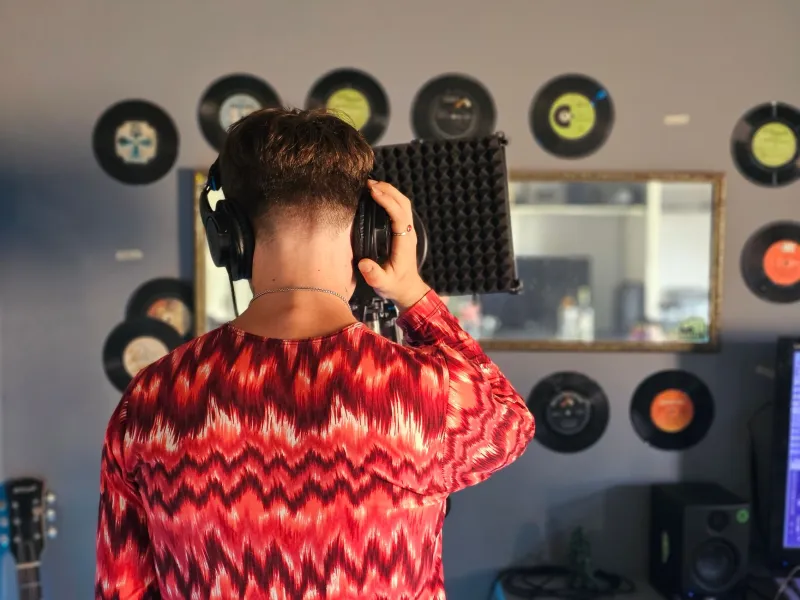
A bedroom producer making dark ambient music, for example, isn't trying to soundtrack a skincare routine montage. They're embedding themselves in the #darkambient and #experimentalmusic corners of TikTok, engaging authentically with the handful of thousand-follower accounts that already own those spaces, and letting the algorithm's interest graph do the geographic work of finding more people who already like exactly what they're making.
The reach numbers look modest by viral standards. The audience quality? Completely different story.
Micro-Targeting as a Creative Strategy
What's fascinating about this approach is how it flips the traditional logic of platform growth. Conventional wisdom says you build a big audience first, then figure out who they are. These artists are doing the opposite — they're defining exactly who their audience is, then engineering their TikTok presence to find those specific people.
Independent filmmakers working in regional American storytelling have been especially sharp about this. Rather than chasing broad cinephile communities, some are drilling down into hyperlocal cultural identities — Appalachian history buffs, Gulf Coast music documentary fans, Midwest DIY punk scenes — and creating content that speaks directly to those identities. The follower counts don't always look impressive on the surface. But the engagement rates, the comment quality, and the conversion to actual supporters — people who buy merch, fund projects on Patreon, show up to screenings — tell a completely different story.
This is what algorithmic literacy actually looks like in practice. It's not a hack or a cheat code. It's a genuine understanding of how the platform distributes attention, paired with the creative discipline to build something specific enough to earn the right kind of attention.
The Long Game Nobody Wants to Play (But Should)
Here's the uncomfortable truth that most platform-growth content won't tell you: sustainable creative careers are almost never built on viral moments. They're built on loyal, engaged communities of people who genuinely care about the work. And those communities are almost always small before they're big.
The artists who seem to understand this best are treating TikTok less like a broadcast channel and more like a discovery layer — a place where the right person finds them for the first time, gets curious, and then follows the trail somewhere deeper. A Bandcamp page. A newsletter. A Discord server. A YouTube channel with actual depth. The TikTok content is an introduction, not the whole relationship.
That framing changes everything about how you approach the platform. You're not trying to be everything to everyone in 30 seconds. You're trying to be exactly the right thing to the exact right person, and trust that TikTok's interest graph is sophisticated enough to make that connection — if you give it the right signals.
What This Means for Hidden Talent
For artists who've felt like the viral game wasn't built for them — and honestly, it probably wasn't — this approach is genuinely exciting. It means TikTok isn't just a platform for the loud, the trendy, and the algorithmically obvious. There's real infrastructure underneath the surface-level chaos that rewards specificity, consistency, and authentic niche positioning.
The hidden talents this site exists to find and celebrate? A lot of them are already out there, doing exactly this work. They're not on the For You Page of anyone who wasn't already looking for them. But they're building something real, one correctly targeted video at a time.
Going viral is a lottery ticket. Knowing your audience well enough to find them inside a 1.5-billion-user platform? That's a skill. And like most skills, the people who develop it quietly tend to end up in a much better position than the ones who just got lucky.