They Built the Voice, Not the Brand: The Unsung Vocal Architects Behind Your Favorite Artists
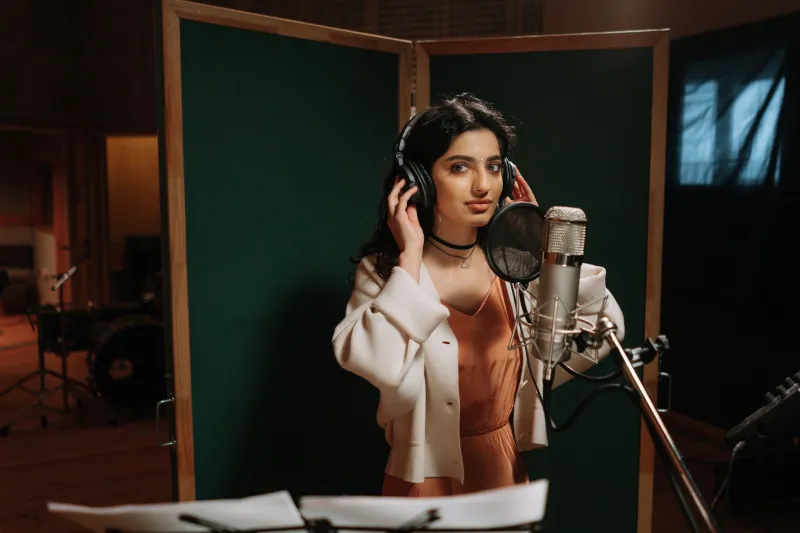
Picture this: a 22-year-old singer from Tulsa lands a development deal after a viral TikTok moment. Within weeks, she's in a Los Angeles studio working with a vocal production specialist who spends the next four months rebuilding her breath control, restructuring her melodic phrasing, and layering her harmonies into something that sounds genuinely iconic. Eighteen months later, she wins a Billboard award. In her acceptance speech, she thanks her manager, her label, her dog. The vocal architect who fundamentally shaped how she sounds? Not a word.
This is not a rare story. It is, by most accounts, the default.
What Vocal Architects Actually Do
The term "vocal coach" undersells what these professionals actually bring to the table. At the surface level, sure — they work on pitch, breath support, and technique. But the deeper work is something closer to sonic identity construction.
Harmony arrangers, for example, don't just tell a singer where to stack a third or a fifth. They build entire vocal arrangements that become the signature texture of an artist's sound. When you hear a particular artist and immediately recognize something in the layering of their background vocals, chances are a harmony specialist spent weeks engineering that effect — sometimes recording dozens of takes, tuning them, timing them, and blending them into something that feels effortless.
Vocal production specialists go even further. Working at the intersection of performance coaching and audio engineering, they make decisions about how a voice is processed, how it sits in a mix, when to apply subtle pitch correction versus when to let the raw imperfection breathe. These choices aren't cosmetic. They define whether an artist sounds like a star or an amateur.
And yet, when the album credits roll, these names are almost never there.
The Credit Problem Is Structural, Not Accidental
Industry insiders are quick to point out that the erasure of vocal contributors isn't just an oversight — it's baked into how deals are structured. Most vocal coaches and harmony specialists are brought in on flat-fee or day-rate contracts, especially in the early development phase when budgets are tight and nobody knows yet whether the artist will pop. That flat fee covers their time, but it doesn't come with any royalty participation or credit guarantee.
Later, when the artist breaks through and the label is managing a carefully constructed public narrative, adding a list of vocal architects to the credits can feel — from the label's perspective — like muddying the story of an artist's "natural" talent. The mythology of the self-made voice is a marketing asset. The truth is a liability.
Some vocal specialists have started pushing back. There's a quiet but growing movement among these professionals to negotiate credit clauses into their contracts upfront, before they do the work. A few have begun consulting entertainment lawyers who specialize in music industry agreements — something that would have been unusual even five years ago for someone in a coaching or arrangement role.
"I've started treating every session like a collaboration, not a service," one Los Angeles-based vocal producer told us, speaking on condition of anonymity because they currently work with several major label artists. "That means having a conversation about credit before I walk in the door. Some clients push back. But the ones who are serious about building a real career usually understand."
The Emerging Artist Angle
For the rising independent artists who follow The Hidden Talents, this issue cuts both ways. On one hand, emerging singers are often the recipients of high-level vocal development work from coaches and specialists who believe in their potential and are willing to work for less upfront. That access can be genuinely transformative.
On the other hand, the same structural norms that erase vocal architects from major label credits show up in independent deals too. An indie artist who works with a talented harmony arranger and then releases a project without crediting that person isn't just being ungrateful — they're perpetuating the same system that's made this entire profession invisible.
The counterargument, sometimes made by artists themselves, is that the coaching relationship is private and that crediting every contributor blurs the line between collaboration and service. But that line is already blurry in every other creative discipline. Producers get credits. Mixing engineers get credits. Session musicians — thanks to decades of union advocacy — get credits. Why not the people who literally shaped the voice?
What Reform Could Actually Look Like
A few organizations within the music industry have started exploring formal crediting standards for vocal contributors, though progress has been slow. The Recording Academy has made noise about expanding credit transparency, and some streaming platforms have experimented with more detailed liner note features. But none of this has translated into enforceable norms.
The most immediate change, according to the vocal professionals we spoke with, has to come from the artists themselves. When an emerging singer publicly acknowledges the vocal coach who helped them find their sound, it normalizes the idea that great voices are often built, not born — and that the builders deserve recognition.
There's also a business case for this. In an era where audiences are increasingly interested in the process behind the art — the BTS content, the studio vlogs, the making-of documentaries — bringing vocal architects into the light could be a storytelling asset rather than a threat to an artist's image. Fans who understand how much craft goes into a performance tend to be more invested, not less.
The Hidden Talent Behind the Hidden Talent
At its core, this is a story about what we choose to make visible. The music industry has always had a complicated relationship with transparency — who wrote what, who played what, who produced what. Vocal development sits at the end of that long tradition of creative erasure.
But things are shifting, however slowly. Vocal coaches are building public profiles on social media. Harmony specialists are releasing their own projects. Vocal producers are starting to get name-checked in interviews by artists who are proud of the work they did together. Each of these moments chips away at the mythology of the effortless, self-created voice.
The artists who will define the next decade of music aren't just the ones with the most natural talent. They're the ones who understand that talent is built in rooms most people never see — and who are willing to say so out loud.