Heard by Millions, Known by None: The Hidden Cost of Living in Someone Else's Spotlight
Imagine your voice on a track that racks up 40 million streams. Your delivery is the emotional anchor of the whole song. People screenshot the lyrics. They post clips on TikTok. They add it to wedding playlists. And when they search for you — because a few of them actually do — they find almost nothing. A sparse profile. A handful of followers. Maybe one or two solo tracks gathering digital dust.
This is the collaboration trap, and it's swallowing some of the most genuinely talented emerging artists in the country whole.
The Feature Economy Is Booming — For Everyone Except the Feature
The modern music industry runs on collaboration. Streaming algorithms reward it. Playlist curators love it. And for established artists, bringing in a lesser-known vocalist or rapper is a smart move — it adds texture, credibility, and sometimes a whole new audience segment without any of the brand risk.
But here's the thing nobody talks about at the label meeting: the math almost never works in the featured artist's favor.
When a big name drops a track with an unknown feature, listeners engage with the song through the lens of the artist they already know and love. The featured credit becomes background noise — literally. Fans absorb the voice, feel the emotion, and then move on without ever connecting that experience to an actual human being with their own catalog and story. The headliner gets a streaming bump. The featured artist gets a credit that looks impressive on paper and converts to almost nothing in practice.
That's not an accident. It's a structural problem baked into the way credits, algorithms, and listener behavior all interact.
Why the Algorithm Doesn't Care About Your Name
Spotify, Apple Music, and every other major platform are optimized around the primary artist. When a user saves a collab track, it goes into the library under the headliner's name. When the algorithm generates recommendations, it builds from that primary association. The featured artist's profile gets a tiny ripple — sometimes a modest follower bump, occasionally a curiosity click — but rarely anything that compounds into real momentum.
TikTok is a slightly different story, but not by much. A snippet of a feature might go viral, but the sound attribution typically lives under the original track. The creator who lip-syncs to your hook is crediting the song, not you. Millions of people hear your voice and have zero mechanism to find you again unless you've done serious work to plant your name directly in that cultural moment.
And most emerging artists haven't. Because nobody told them they needed to.
The Prestige Trap
There's a psychological dimension to this problem that makes it especially sticky. Getting tapped for a feature by a well-known artist feels like validation — and in some ways, it genuinely is. It signals that people with industry power recognize your talent. It gives you something to post about. It opens certain doors.
But prestige and leverage are different things, and a lot of underground artists confuse one for the other.
When you build your early reputation entirely through other people's projects, you're essentially training your potential fanbase to experience you as a supporting character. You become the answer to a trivia question rather than the main event. And the more features you stack without developing a parallel solo identity, the harder it gets to reframe yourself — because the narrative around your name is already written, and you didn't write it.
Some artists spend years chasing the next feature credit, each one feeling like progress, while their actual career — the one where people show up for them — never really gets off the ground.
What a Feature Should Actually Do
Here's the reframe: a feature placement isn't a destination. It's a traffic source. And like any traffic source, it's only valuable if you have somewhere to send people.
The artists who successfully convert feature moments into standalone career momentum tend to do a few things differently.
They move fast. When a collab drops, the window to capitalize is narrow. The artists who win are the ones who already have a solo release ready — or at least a piece of content that makes the connection explicit. A simple video that says "Hey, I'm the voice on that track — here's what I've been working on" can do more than any press release.
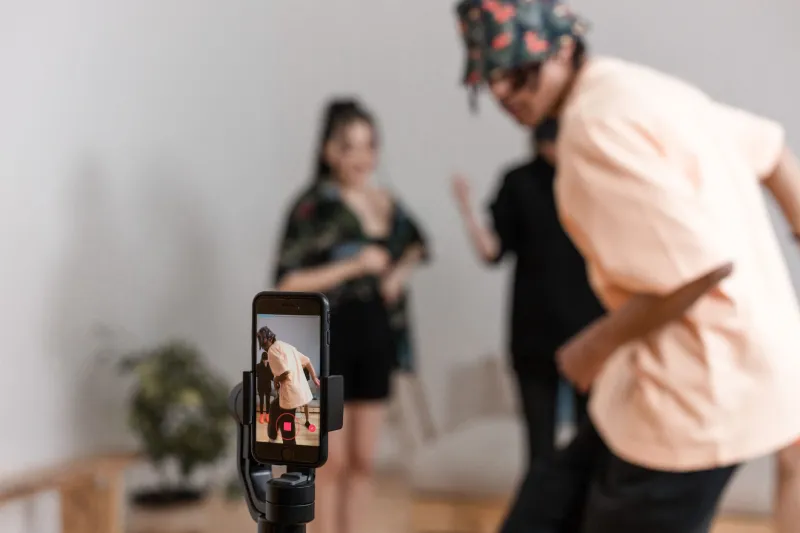
They own the narrative. Rather than waiting for someone to cover the feature, they tell the story themselves. Behind-the-scenes clips, a thread about how the collaboration came together, a candid post about what the experience meant — these aren't just content, they're identity signals that help listeners understand who they're dealing with.
They build a direct line. Email lists, Discord servers, Patreon pages — whatever the format, the goal is the same: get curious listeners off the platform and into a space you actually control. A feature might bring someone to your profile. What keeps them is a reason to stay connected.
They negotiate for more than money. This is a big one. Before the feature drops, there's often room to negotiate cross-promotion, social mentions, or even a co-headline moment at a live show. Most emerging artists don't ask because they're just grateful to be included. The ones building real careers ask anyway.
The Bigger Conversation
The collaboration trap isn't just an individual artist problem — it's a symptom of an industry that has always been more comfortable with talent as a resource than talent as a brand. The session singer who's been on 200 hits. The uncredited co-writer whose melody you've hummed for years. The featured rapper whose verse you know by heart but whose name you'd fail a pop quiz on.
These aren't edge cases. They're the norm. And the digital era, for all its democratizing promise, hasn't fully solved it — it's just moved the exploitation online and made it shinier.
What has changed is the toolkit available to artists who are paying attention. The infrastructure to build a direct relationship with fans, to tell your own story, to release music on your own terms — it's all there. The question is whether you're using those tools proactively or waiting for someone else's spotlight to do the work for you.
The Name Behind the Voice
If you're an emerging artist who's landed features and felt that quiet frustration of being heard but not known, you're not imagining it. The system isn't set up to make you famous. It's set up to make the song famous.
Your job — the one nobody puts in the contract — is to make sure that when people hear your voice, they have every possible reason and opportunity to find out who you are.
Because the talent is already there. It's the visibility strategy that needs catching up.