Ownership Is the New Hit Record: How Underground Producers Are Finally Cashing In on the System That Stole From Them
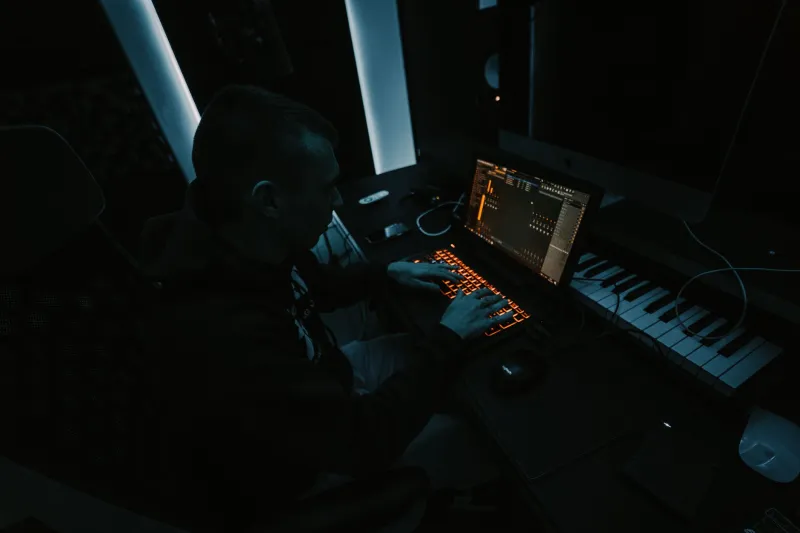
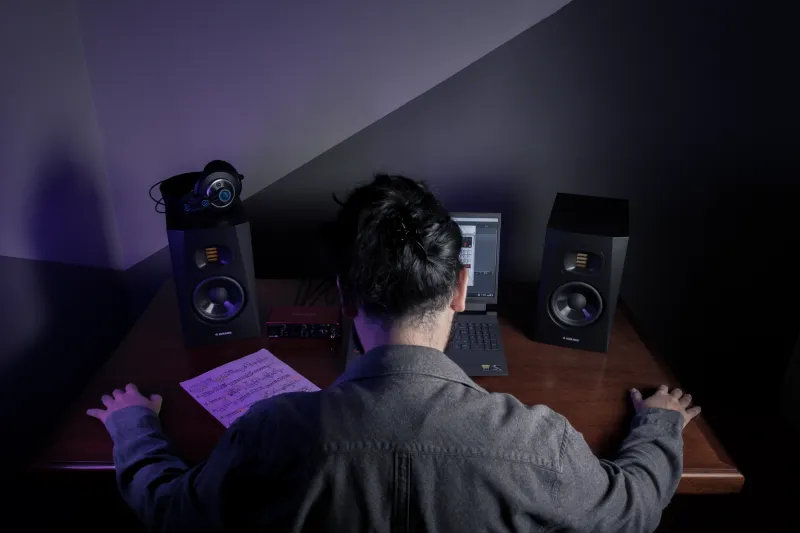
There's a producer in Atlanta — we'll call him Drez — who spent the better part of five years crafting beats that ended up on three platinum albums. His name appeared in the liner notes exactly once, buried somewhere between the mastering engineer and the catering company. His royalty checks, when they came at all, were laughable. The artists who rapped over his work went on tour. Drez went back to his laptop.
That story isn't unusual. It's practically a rite of passage in the music industry's underground. Producers, remixers, and beat-makers have long been the invisible engine underneath some of America's most commercially successful music — and for just as long, the system has been engineered to keep them anonymous and underpaid. But something is shifting. Quietly, then all at once, the tools to fight back have arrived.
The Old Model Was Built to Confuse You
To understand why underground producers have historically gotten so little, you have to understand how deliberately opaque traditional music licensing is. When a major label signs an artist, that artist's contract typically grants the label sweeping control over master recordings. If a producer contributed to that record — even if they wrote the core melody, the drum pattern, the defining hook — their compensation is almost entirely dependent on how well their own contract was negotiated, which, for an unknown producer excited just to be in the room, usually wasn't very well at all.
Remixers had it even worse. An unauthorized remix that blew up online could be claimed by a label instantly through a Content ID match on YouTube or a copyright strike on SoundCloud. The remixer got nothing. The label collected the ad revenue. The whole arrangement was a masterclass in institutional extraction.
"The industry built empires on the back of people who didn't know they could say no," says one independent music attorney who works with emerging talent in Los Angeles. "And for a long time, the alternative to signing a bad deal was just not being heard at all."
Blockchain Didn't Save Music — But It Might Save Producers
The word "blockchain" spent a few years being attached to every overhyped NFT project that came and went. But underneath the noise, some genuinely useful infrastructure was being built. Platforms like Opulous, Decent, and Royal have developed systems that allow producers and artists to tokenize their music rights — essentially converting a share of royalty income into a tradeable digital asset that fans and investors can buy directly.
For underground producers, this is significant. It means a beat-maker with a loyal following but no label backing can sell a stake in their catalog to their own community, raise operating capital, and retain creative control — all without signing anything that hands their work to a corporate intermediary.
Royal, co-founded by DJ and producer 3LAU, has already facilitated deals where artists sold royalty shares directly to fans, with buyers receiving actual streaming revenue payouts. It's not perfect, and the legal framework is still evolving, but the core idea — that producers can monetize ownership rather than surrender it — represents a fundamental break from how things have always worked.
Direct Licensing Is Having a Moment
Beyond blockchain, a more immediately accessible shift is happening in direct-to-fan and direct-to-sync licensing. Platforms like Musicbed, Artlist, and the producer-focused Tracklib have created marketplaces where producers set their own licensing terms, connect with content creators, filmmakers, and brands, and collect fees without a label acting as a toll booth in the middle.
Tracklib in particular has become something of a quiet revolution for beat-makers interested in the sampling economy. The platform licenses original recordings for sampling — legally, clearly, and with compensation flowing back to the original creators. For producers who have watched their sounds get flipped without credit for years, it's a genuine structural fix rather than just a workaround.
The sync licensing market — placing music in TV shows, ads, video games, and film — has also opened up considerably. A decade ago, landing a sync deal required either a publishing deal or a well-connected manager. Today, platforms like Musicbed and Artlist have democratized access, and some underground producers are generating more consistent income from sync placements than they ever did chasing streaming numbers.
The Contract Literacy Revolution
Maybe the least glamorous but most important development in the remix economy is the rise of producer-focused legal education. Organizations like the Music Producers Guild, along with a growing army of music business educators on YouTube and TikTok, have spent the last few years teaching producers what they actually own, what they're entitled to, and what language to watch out for in contracts.
Producer agreements, split sheets, and work-for-hire clauses used to be things a lot of bedroom producers didn't think about until it was too late. Now, the concept of the split sheet — a document that establishes upfront who owns what percentage of a song — has become standard practice in a lot of independent sessions. It's unglamorous paperwork, but it's the kind of protection that could have changed Drez's story entirely.
"I see 19-year-olds coming into sessions with split sheets ready to sign before they even play the beat," says a Nashville-based producer who asked to remain unnamed. "That didn't happen five years ago. That's a cultural shift."
What the Labels Are Watching
It would be naive to suggest the major labels are sitting still while all this happens. Several have made moves to acquire or partner with emerging licensing platforms, and the major publishers have been quietly lobbying to shape how blockchain-based rights management gets regulated. The power isn't going anywhere overnight.
But the leverage has shifted, even if only incrementally. When a producer has an established direct relationship with their fanbase, a tokenized catalog, and a clear legal understanding of their rights, they walk into any negotiation from a fundamentally different position than their predecessors did.
The remix economy isn't fixed. There are still producers being taken advantage of every day, still unsigned beat-makers watching their work generate revenue for people who never learned their names. But the infrastructure for something better exists now in a way it simply didn't before.
The Hidden Talent That's Finally Keeping Its Work
Drez, for his part, spent the last two years rebuilding his approach entirely. He's now licensing beats directly through his own website, using a straightforward non-exclusive licensing model he built with the help of a music attorney he found through an online producer community. He's not rich. But he owns everything.
"I used to think getting on a big album was the goal," he told us. "Now the goal is still being here in ten years, still owning what I made."
That's the remix economy at its best — not a get-rich-quick scheme, but a slow, structural reclamation of something that should have belonged to producers all along. The hidden talents are finding the exits the old system forgot to lock. And they're not going back.