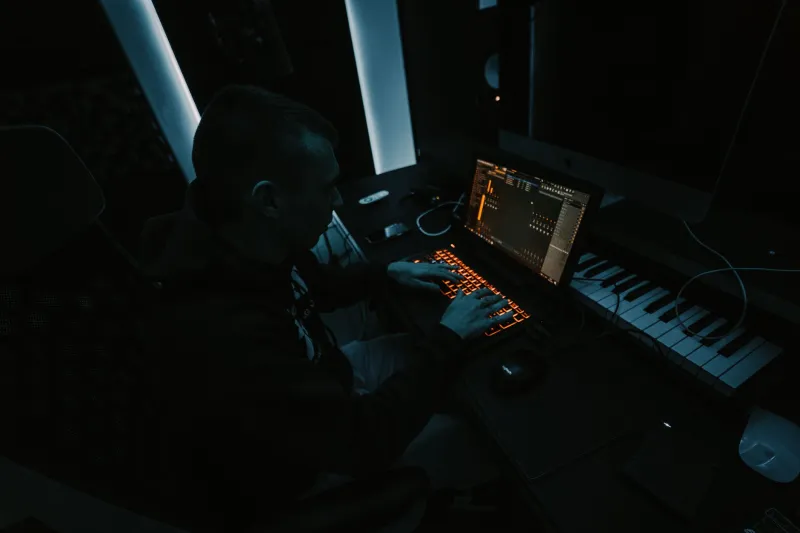
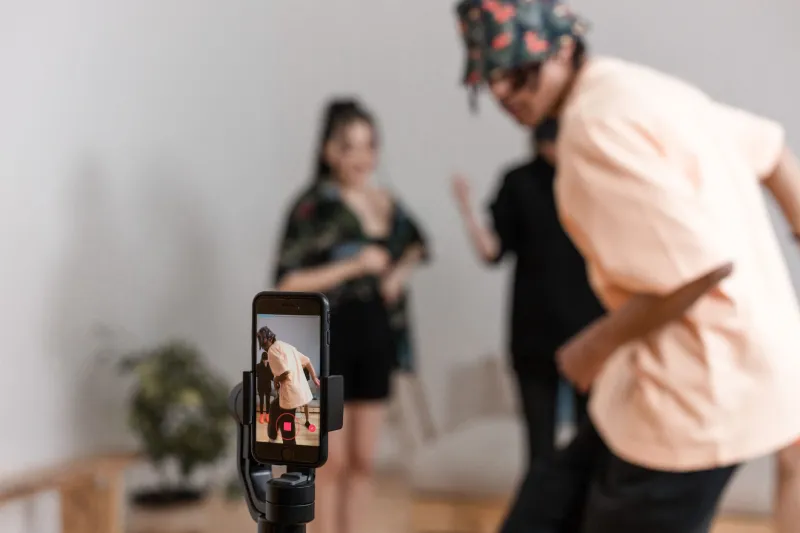
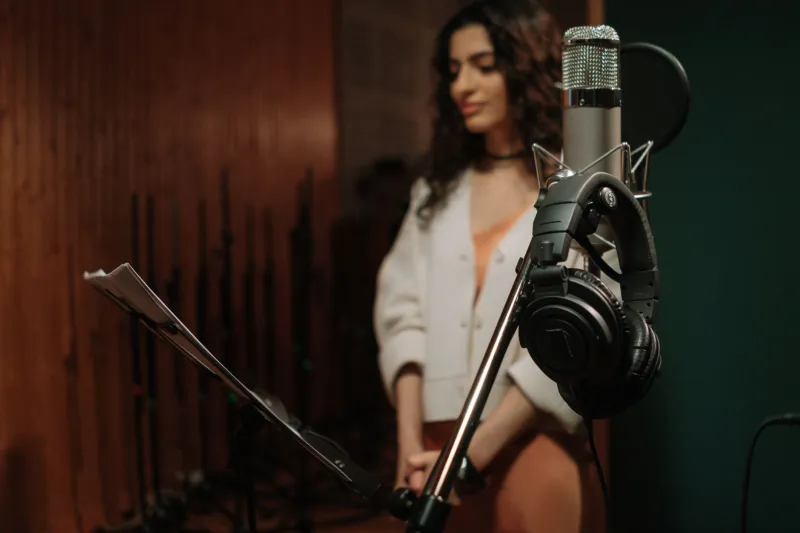
No Label, No Problem: How Emerging Artists Are Quietly Building Six-Figure Businesses Through Strategic Partnerships
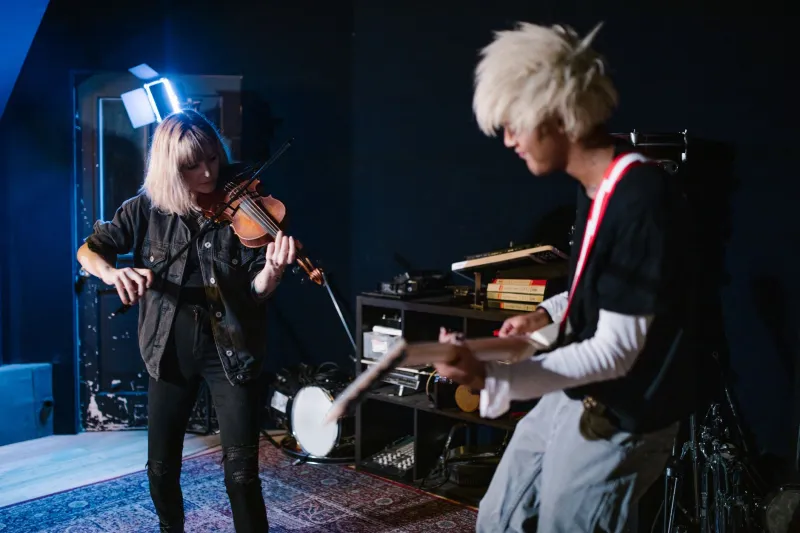
There's a version of the music industry dream that most artists grew up with — the A&R rep slides into your DMs, the label deal lands, the advance hits your account, and suddenly you're on your way. That version of the story is getting harder to find. But here's the thing: a growing number of artists aren't looking for it anymore.
They're too busy running actual businesses.
Across the US, a wave of independent artists — many of whom you've probably never heard of — are pulling in six figures annually without a single label contract. Their secret isn't a viral moment or a playlist placement. It's something a lot less glamorous and a whole lot more replicable: strategic collaboration.
What the Collaboration Economy Actually Looks Like
When most people hear "artist collab," they think two musicians jumping on the same track. That's the old model. The new version is something closer to what you'd see in the startup world — cross-industry partnerships built around shared audiences, aligned values, and mutually beneficial revenue structures.
Take an emerging R&B vocalist in Atlanta who's sitting at 8,000 monthly Spotify listeners. On paper, that's not a number that gets labels excited. But that same artist might have a deeply loyal fanbase — people who actually show up, share, and spend. When a mid-sized indie skincare brand targeting Black women in their 20s comes looking for an authentic creative voice to anchor a campaign? That artist becomes incredibly valuable.
Those deals aren't happening through traditional music industry channels. They're happening in Discord servers, through mutual introductions in niche creative communities, and increasingly through platforms like Passionfroot and Gumroad that make it easy to pitch, package, and close brand partnerships without a manager in the loop.
The Micro-Influencer Multiplier
One of the most underrated moves in the independent artist playbook right now is building relationships with micro-influencers before you need them.
Micro-influencers — typically defined as creators with between 1,000 and 100,000 followers — tend to have engagement rates that dwarf their larger counterparts. A beauty creator with 15,000 TikTok followers in a specific niche might move product better than someone with half a million. Artists who understand this are approaching these creators not as promotional tools, but as genuine collaborators.
The structure of these deals varies, but a common model involves the artist providing an exclusive track or custom sound for the influencer's content in exchange for consistent, organic placement across their channels. No cash changes hands up front. Instead, both parties benefit from shared audience exposure — and when it works, both sides grow.
Some artists are taking it further by formalizing these arrangements with revenue-share agreements tied to streaming bumps, merchandise sales, or even direct commissions on digital product sales. It's scrappy, but it's working.
Indie Brands Are Hungry for Authentic Sound
Here's something the traditional music industry hasn't fully reckoned with yet: indie consumer brands are sitting on marketing budgets they desperately want to spend on something that doesn't feel like an ad.
From small-batch coffee roasters in Portland to independent clothing labels in Brooklyn, these companies are increasingly reaching out to emerging artists directly — not for a quick sync license, but for deeper, ongoing creative partnerships. Think artist-in-residence arrangements, co-branded product drops, and exclusive content deals that span multiple months.
The revenue splits on these arrangements can be surprisingly favorable for the artist. Without label overhead eating into the deal, an independent musician can negotiate directly and keep a much larger percentage of what gets paid out. A brand partnership that might net a signed artist $5,000 after label fees and manager cuts could put $18,000 to $25,000 directly into an independent artist's pocket — depending on deliverables and deal structure.
For artists willing to think beyond the traditional music industry framework, the opportunities are genuinely significant.
Niche Communities as Career Infrastructure
If micro-influencers are the distribution layer of the collaboration economy, niche online communities are the infrastructure underneath it.
Subreddits, Discord servers, Facebook groups, and Slack communities built around specific interests — lo-fi music production, indie game development, Black entrepreneurship, sustainable fashion — have become some of the most valuable networking environments for independent artists. Not because they're full of fans, but because they're full of potential collaborators.
An artist who becomes a genuine, contributing member of a game developer community might find themselves scoring indie titles. Someone embedded in the wellness creator space might land recurring sync placements for meditation apps or yoga content. These aren't random outcomes — they're the result of showing up consistently, being useful, and building trust before pitching anything.
The artists who are doing this well treat community participation as a long-term investment rather than a quick promotional play. The payoff is rarely immediate, but when it comes, it tends to be sticky — ongoing relationships rather than one-off transactions.
Building Multiple Revenue Channels on Purpose
What separates the artists clearing six figures through collaboration from those still chasing streams is intentionality. They're not stumbling into brand deals or accidentally landing sync placements. They're architecting income stacks the way a small business owner would.
A typical setup might look something like this: a base layer of streaming and digital sales, supplemented by one or two ongoing brand partnerships, a licensing agreement with an indie content creator, merchandise sold directly through their own Shopify store, and a Patreon or Substack that gives their most loyal fans access to exclusive work. None of these streams alone is life-changing. Together, they add up fast.
The key mindset shift is understanding that no single revenue source should carry too much weight. Artists who depend entirely on streaming are one algorithm change away from a financial crisis. Those who've diversified through collaboration have built something closer to a real business — one with multiple revenue channels and genuine resilience.
The Long Game
None of this is a shortcut. Building the kind of collaborative network that generates sustainable income takes time, relationship capital, and a willingness to think about your creative work as something more than art.
But for the artists who are willing to make that shift, the results are hard to argue with. No label politics. No advance to recoup. No A&R rep deciding whether your sound is marketable enough. Just direct relationships, fair deals, and income that actually reflects the value of what you're creating.
The hidden talents doing this right aren't waiting to be discovered. They're out here discovering new ways to build — and they're doing it entirely on their own terms.