The Unnamed Sound: Inside the World of TikTok's Most Powerful Audio Creators You've Never Heard Of
Close your eyes and think about the last TikTok sound that got stuck in your head. Not a song, exactly — more like a texture. A specific reverb on a vocal chop. A synth swell that hits right before a cut. A foley layer that makes a mundane moment feel cinematic. You probably can't name it. You definitely can't name who made it.
That anonymity isn't accidental. It's structural. And the people living inside it are starting to get very tired of it.
The Architecture of a Viral Sound
To understand what these creators actually do, it helps to pull apart what makes a TikTok sound work. When a piece of audio goes viral on the platform, it's rarely just a song. It's a carefully constructed sonic experience — often layered with elements that have nothing to do with the original track. A foley hit timed to a visual gag. A subtle pitch shift that makes a familiar melody feel fresh. A synth texture that functions less like music and more like emotional weather.
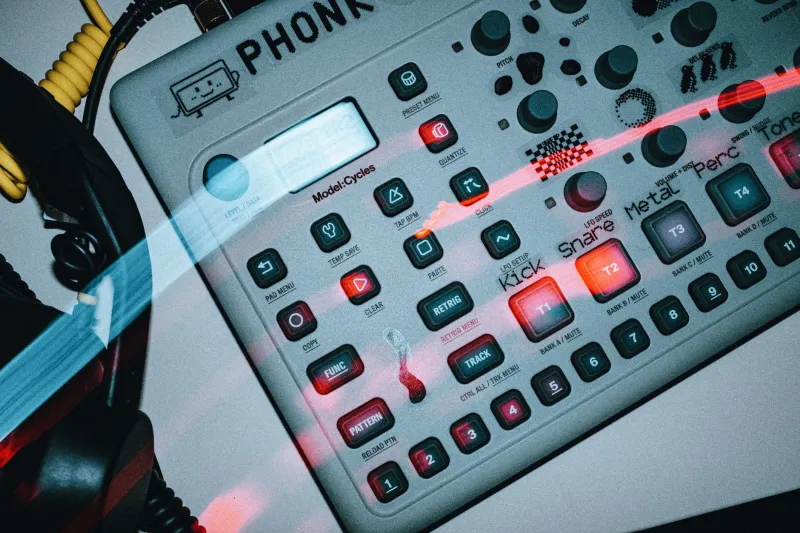
The people building these layers are sound designers in the truest sense. Some come from film and game audio backgrounds. Others are synth programmers who migrated from the electronic music world. A few are self-taught producers who stumbled into the format and discovered they had an unusual talent for it. What they share is an instinct for how audio shapes perception — and an understanding of the specific psychoacoustic triggers that make a short-form video impossible to scroll past.
They're very good at their jobs. And almost no one knows they exist.
How the Anonymity Happens
The mechanics of TikTok's sound attribution system are part of the problem. When a creator uploads a sound, it gets tagged to their account — but if that sound gets remixed, chopped, layered into another piece of audio, or pulled into a trending format, the attribution chain breaks down almost immediately. By the time a sound has been through three or four iterations, the original creator's name has effectively vanished.
This isn't unique to TikTok, but the platform's remix culture accelerates it. A sound designer might create the specific audio fingerprint that defines a whole trend cycle — the particular hi-hat texture that thousands of creators use for a specific type of transition, for example — and never see a single credit or dollar from the cultural wave they started.
The platform's creator monetization programs, such as they are, tend to reward the content creator using the sound rather than the person who made it. The distinction seems technical. The financial consequences are significant.
The Foley Underground
One of the less-discussed segments of this world is the foley community. Foley artists — the people who create custom sound effects by recording everyday objects — have a long tradition in film and television, where they receive formal credits and union-negotiated rates. On TikTok, that professional framework simply doesn't apply.
Creators who build original foley libraries and share them on the platform — the satisfying crunch of gravel underfoot, the specific weight of a door closing in a vintage house, the sound of a coffee pour that somehow sounds exactly right — often find their work embedded in millions of videos with zero compensation and zero attribution. Some have tried watermarking their audio or using platform tools to flag unauthorized use. The results have been inconsistent at best.
What's emerging instead is a parallel marketplace. Platforms like Splice, Artlist, and newer entrants built specifically for short-form content are giving sound designers a place to package and sell their work directly to creators who want to use it properly. It's a slower revenue path than viral exposure, but it comes with something viral exposure doesn't: a paper trail.
Demanding Visibility
The push for recognition isn't just financial — it's also professional. A sound designer whose work appears in 40 million TikToks has built a significant body of influence. But if they can't point to it, they can't leverage it. They can't build a client roster, negotiate better rates, or establish the kind of creative reputation that leads to larger opportunities in film, advertising, or commercial music.
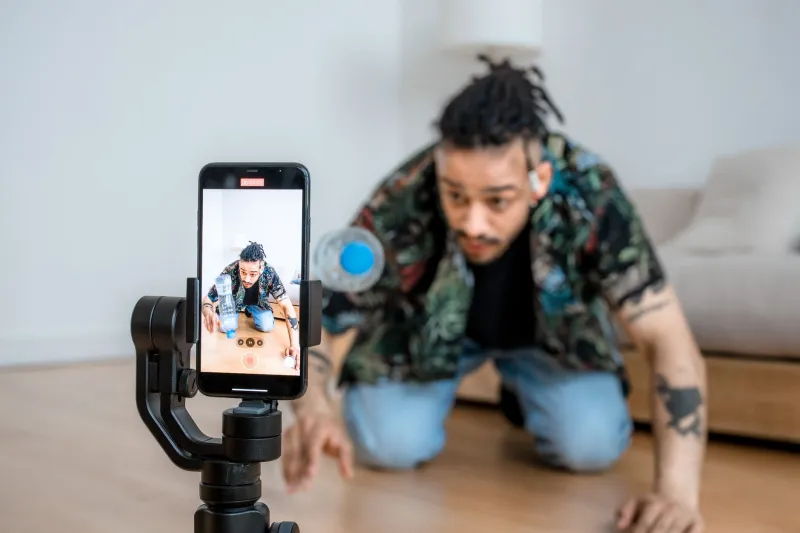
Some are starting to document their work more aggressively — posting behind-the-scenes creation videos, building audio portfolios, and cultivating audiences on platforms where sound authorship is more traceable. YouTube and Instagram have become secondary stages for creators who want to establish identity in a space that TikTok's architecture actively discourages.
Others are going direct to brands. The same instinct for sonic texture that makes a TikTok sound go viral is extremely valuable in commercial audio design — jingles, brand sound identities, app UI sounds, and the subtle audio branding that major companies spend significant money developing. Sound designers who can demonstrate a track record of viral audio engagement have found a surprisingly receptive audience in brand creative departments that are always looking for that hard-to-define quality: sounds like the internet feels right now.
The Platforms Paying Attention
A handful of newer platforms are trying to solve the attribution problem structurally. Audio NFT marketplaces experimented with embedded ownership data, though the broader NFT market's volatility complicated that story. More promising are licensing-forward platforms that treat short-form audio as a distinct commercial category with its own rights framework — not quite music, not quite sound effects, but something in between that deserves its own infrastructure.
The conversation is happening. It's just happening quietly, mostly among the creators themselves, in audio production forums and Discord communities where the people building TikTok's sonic landscape compare notes and figure out how to get paid for what they're already giving away.
The Sound Has a Name — It Just Hasn't Been Attached Yet
There's a certain irony in the fact that sound designers — people whose entire professional identity is built around making things heard — are among the most invisible creators in the digital ecosystem. They shape the emotional texture of billions of daily experiences and collect almost nothing for it.
But the tools for changing that are getting better. The awareness is building. And the people who built the sound of the internet are starting to understand that visibility isn't something you wait to be given. It's something you engineer.
They know how to do that. They've been doing it for years. The world just hasn't been listening — yet.