Skip the Middleman: How Platform Collabs Became the New Music Industry Power Move

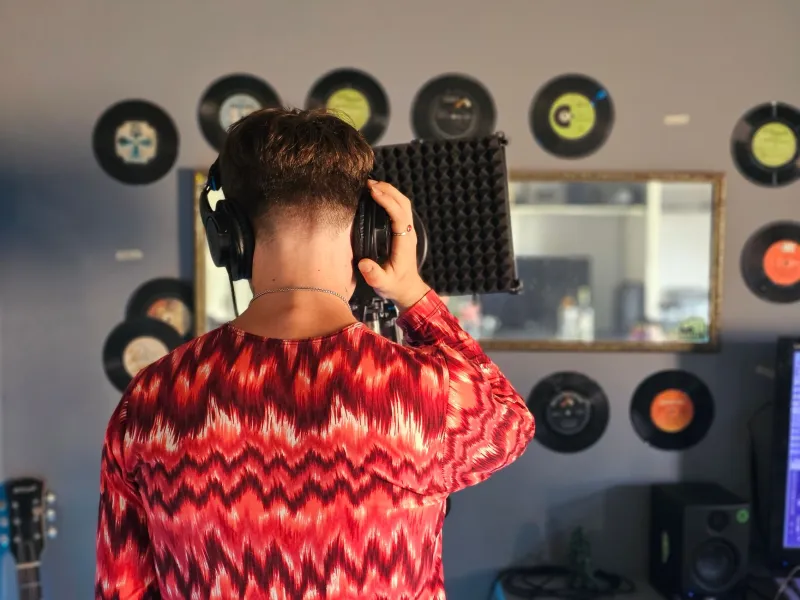
Photo by Photo by Vitaly Gariev on Unsplash on Unsplash
There was a time — not that long ago, honestly — when breaking into the music industry meant knowing somebody who knew somebody. You needed a manager with connections, a producer with a Rolodex, or the sheer luck of being in the right city at the right time. The gatekeepers were real, and they were everywhere.
That era isn't just fading. For a growing number of emerging artists, it's already over.
Today, a 22-year-old singer-songwriter in Tulsa can stitch a duet with a micro-influencer in Atlanta, watch it rack up two million views over a weekend, and field calls from licensing reps by Monday morning. No label. No publicist. No gate — and definitely no keeper.
The Duet as a Deal Memo
TikTok's Duet feature was designed for fun. What nobody fully anticipated was how efficiently it would function as a networking tool for unsigned artists.
The mechanic is simple: you record your content alongside someone else's existing video, and both pieces of content live side by side. But the strategic implications run deep. When an emerging artist duets with a creator who already has a loyal following, they're not just borrowing eyeballs — they're borrowing credibility. The audience's trust in the original creator transfers, even partially, to the new voice.
Take the case of artists like Chloe Lilac or Talia Mar, who built early momentum through exactly this kind of cross-pollination before traditional industry infrastructure caught up to them. The pattern tends to look the same: a well-placed collab, a comment section that goes sideways with enthusiasm, and a fanbase that forms organically before any marketing budget enters the picture.
For artists without the resources to run paid campaigns, that organic credibility is everything.
Micro-Influencers Are the New A&R
Here's something the traditional industry hasn't fully reckoned with yet: micro-influencers — creators with followings in the 10,000 to 200,000 range — often have more genuine influence over purchasing and streaming behavior than mega-celebrities with millions of passive followers.
And they're far more accessible.
Emerging artists who've cracked this dynamic describe a deliberate, almost methodical approach. They identify creators whose audience demographics overlap with their target listeners. They study the content, find a genuine point of artistic connection, and reach out — sometimes through DMs, sometimes by simply responding creatively to existing content in ways that demand attention.
One Nashville-based indie folk artist, who asked to remain anonymous while still in label negotiations, described spending three months specifically building relationships with mid-tier lifestyle and travel creators on TikTok. "I wasn't thinking about virality," she told us. "I was thinking about who already had the ears of the people who would actually care about my music." By the time she dropped her debut EP, she had pre-built an audience of listeners who felt like they already knew her.
The EP landed her a sync licensing deal within six weeks.
YouTube's Collab Economy Is Different — and Complementary
If TikTok duets are the spark, YouTube collaborations are often the slow burn that turns a moment into a movement.
YouTube's format rewards depth. A 12-minute collab video between two artists — where they talk craft, trade verses, or co-write something on camera — gives audiences a reason to invest emotionally. It's harder to fake chemistry on YouTube. The platform's algorithm also tends to reward watch time, which means genuinely compelling collab content can keep circulating in recommendations for months after the initial upload.
Several emerging artists have used this to their advantage by treating YouTube collabs almost like press appearances. Instead of angling for a blog feature or a radio slot, they pitch themselves as guests for established musicians' YouTube channels, offering a performance, a conversation, or a behind-the-scenes co-writing session. The result is content that serves both creators, reaches both audiences, and lives on the internet indefinitely.
For unsigned artists, that kind of evergreen exposure is genuinely hard to replicate through traditional PR channels — and it costs nothing but time.
When the Algorithm Becomes the A&R Rep
What's fascinating about this whole ecosystem is how the platforms themselves function as talent scouts, whether they intend to or not.
When a duet performs well, TikTok's algorithm amplifies it further. When a YouTube collab drives watch time and subscriber crossover, both channels get a boost. The platform rewards collaboration with visibility, which means the artists who understand this dynamic and lean into it aggressively are essentially getting free promotional muscle from billion-dollar tech companies.
Traditional labels are noticing. There are now documented cases of A&R teams specifically monitoring which emerging artists are generating consistent collab traction, using that engagement data as a proxy for audience development and artist viability. In other words, the labels haven't disappeared — they've just moved downstream. They're letting the platforms do the discovery work first.
For the artists, that shift is significant. It means the burden of proof has changed. You no longer have to convince a label that an audience exists for your music. You just have to build that audience and let the numbers speak for themselves.
The Legitimacy Loop
One of the more underappreciated effects of strategic platform collaboration is what we'd call the legitimacy loop. Each collab with a credible creator adds a layer of perceived legitimacy to an emerging artist's profile. That legitimacy makes the next collaboration easier to land. And the one after that.
Over time, artists who work this system thoughtfully end up with what amounts to a social proof portfolio — a trail of associations, co-signs, and shared audiences that signals to bookers, brands, and yes, labels, that this person is worth paying attention to.
That's not so different from how the old system worked, honestly. Connections and co-signs have always mattered in the music business. What's changed is who gets to accumulate them — and how fast it can happen when the tools are available to everyone.
The gatekeepers aren't gone because the industry got more democratic out of the goodness of its heart. They're gone because the artists figured out the side door — and it turns out, the side door was a better entrance all along.