Drop It Live: Inside the Discord Rooms Where Albums Are Born, Heard, and Sold in a Single Day
Somewhere right now, in a Discord server you're not in, an artist is sharing a rough vocal take. The chat is moving fast. Someone says the hook needs to breathe more. Someone else is already suggesting a sample. The artist reads the feedback, makes a call, and thirty minutes later posts a revised version. By the end of the day, a finished track exists — and the people in that room helped make it.
Then they buy it.
This is the 24-hour album model, and it's quietly reshaping what a music release can look like in 2024.
From Passive Fan to Co-Creator
Discord was built for gamers who wanted to talk while they played. What it accidentally created was the infrastructure for a completely different kind of artist-fan relationship — one that's less about consumption and more about participation.
For emerging artists, the platform offers something genuinely rare: a private, real-time space where your most dedicated listeners can gather without the noise and performative chaos of public social media. No algorithm deciding who sees what. No comment section flooded with strangers. Just a room full of people who actively chose to be there.
Artists who've leaned into this dynamic describe it as transformative — not just for their creative process, but for how their fans relate to the music once it's done.
"When someone hears a song they helped shape, they don't just stream it," explained one indie electronic producer based out of Chicago who runs a server with roughly 800 members. "They evangelize for it. They feel ownership. That's a completely different energy than someone who just stumbled on your track in a playlist."
The Mechanics of a Real-Time Release
The 24-hour album concept sounds chaotic on paper, but artists who've pulled it off describe a surprisingly structured process underneath the spontaneity.
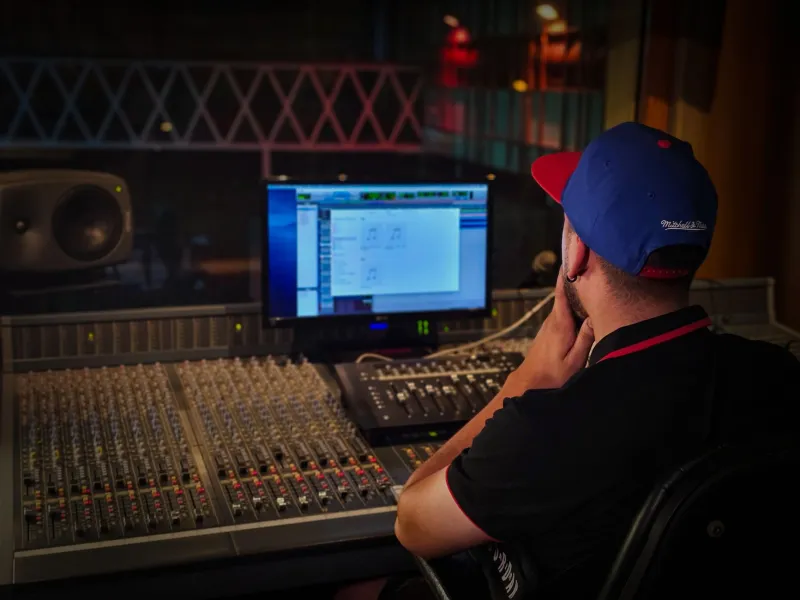
It usually starts with a live session announcement — sometimes just a few hours in advance, deliberately keeping the window short to create urgency. Members flood into a voice channel or watch a screen-share as the artist works inside their DAW. Chat channels run simultaneously, with listeners reacting in real time to melody choices, lyric drafts, and production decisions.
Some artists formalize this with polls. Should the bridge go here or cut straight to the outro? Which mix feels right? The community votes, the artist weighs in with their own instincts, and the creative back-and-forth produces something neither party could have arrived at alone.
By the time a track is finished — or close enough — the artist drops a purchase link, often through Bandcamp or a direct payment tool like Gumroad. The community, having just watched the thing come to life, tends to buy immediately. Not because they feel obligated, but because they're genuinely invested.
One bedroom pop artist from Portland described her first 24-hour release as generating more revenue in a single afternoon than her previous three singles had earned across several months on streaming platforms. "Streaming pays fractions of a cent," she said. "Direct sales from people who actually care? That's real money."
Why Discord Specifically
It's worth asking why Discord and not, say, a Twitch stream or an Instagram Live.
The answer has a lot to do with architecture. Discord servers are organized into channels, which means different conversations can happen simultaneously without colliding. There's a channel for general chat, one for feedback, one for sharing references, one where the artist posts work-in-progress audio files. It's layered in a way that public platforms aren't, and that layering allows for genuine depth of engagement.
There's also the matter of access. Discord servers can be gated — you can require a subscription, a purchase, or an application to join. That friction filters out passive lurkers and creates a community of people who genuinely want to be involved. For emerging artists trying to build a core fanbase rather than chase vanity metrics, that selectivity is a feature, not a bug.
Several artists have taken this further by tiering their servers, offering different levels of access at different price points. The free tier might include general updates and occasional previews. A paid tier unlocks the live creation sessions, early downloads, and direct artist interaction. It's essentially a membership model — and for artists with a few hundred deeply committed fans, it can generate meaningful monthly income.
The Loyalty Effect
What the 24-hour album model produces, almost as a side effect, is an unusually fierce kind of fan loyalty.
When listeners feel like collaborators, they show up differently. They share the music with genuine enthusiasm rather than obligatory support. They defend the artist in online spaces. They come back for the next session, and the one after that. They become, in the truest sense, invested stakeholders in an artist's career.
This matters more than it might seem. In an era where every streaming platform is overflowing with content and attention is the scarcest resource in the industry, having even a few hundred people who are genuinely ride-or-die for your music is worth more than tens of thousands of passive followers who'd scroll past your release without a second thought.
The artists experimenting with this model tend to talk about their Discord communities the way small-business owners talk about their regulars. There's a warmth and specificity to it that's pretty different from how most musicians describe their fanbase.
Growing Pains and Real Limits
It would be dishonest not to acknowledge the friction points here. Running an active Discord community is labor-intensive. The 24-hour model demands consistent energy and a willingness to be creatively vulnerable in front of an audience — not every artist is wired for that.
There's also a scaling question. The intimacy that makes these communities special is directly tied to their size. Once a server grows past a certain point, the tight-knit dynamic starts to fray. Several artists have described deliberately capping membership or splitting into tiered servers to preserve the feeling of a small room even as their reach expands.
And then there's the question of streaming. Music released directly through Discord and Bandcamp doesn't automatically end up on Spotify or Apple Music, which means artists have to make deliberate choices about where and how to distribute — and whether the direct-sales revenue justifies a slower path to streaming visibility.
But for the artists who've found their footing in this model, those tradeoffs feel worth it. They're building something the traditional industry rarely produces: a community that feels less like a fanbase and more like a team.
And honestly? That might be the most hidden talent of all — knowing how to make the people listening feel like they belong to something.